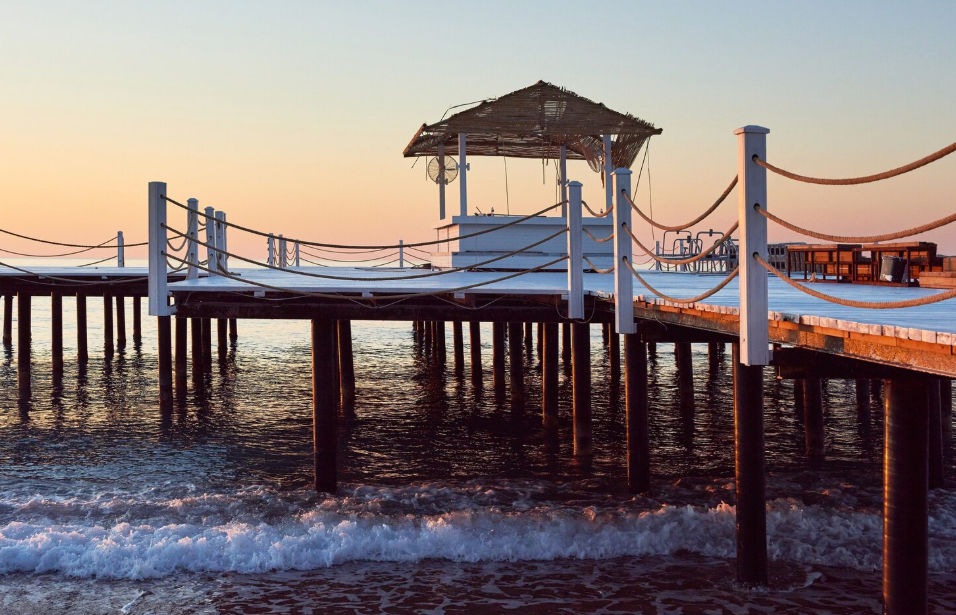
Many people in Florida dream of owning a waterfront property, enjoying activities like boating, fishing, or simply watching the water sparkle at dusk. Turning that dream into reality requires careful planning, especially when it comes to obtaining the necessary permits. Building bulkheads, seawalls, or docks without proper approval can lead to costly delays, fines, or even project cancellation. Florida marine and waterfront construction permits ensure that projects comply with regulations, protecting both the property and the surrounding environment.
Why Permits Matter
There is more to permits than just paperwork. They safeguard the surrounding ecosystem, your property, and your neighbors. Mangroves, marshes, and seagrass beds are among the delicate environments found in Florida's waters. Regulators want to make sure your project complies with local and federal regulations, reduces its impact on the environment, and remains safe during storms. Knowing what agencies value can help your project run more smoothly and save time.
Plan Ahead to Avoid Delays
Underestimating timescales is one of the most common mistakes made by property owners. Permit approvals, particularly for projects in environmentally sensitive locations, might take several months. It's important to plan ahead. You can arrange contractors, buy supplies, and plan construction without delays when you have a realistic deadline. Patience pays off because beginning work before approvals are finalized may result in fines or required removal.
Key Tips for Faster Permit Approval
- Engage a marine construction consultant or experienced contractor early in the planning stage
- Conduct detailed site surveys to confirm property boundaries and shoreline conditions
- Design your dock or seawall to minimize environmental disruption
- Include accurate construction drawings and material specifications in your application
- Respond promptly to agency requests for clarifications or additional documents
Environmental Responsibility Is Crucial
For regulators, the environmental impact of a project is the top priority. Seawalls or docks that affect mangroves, wetlands, or seagrass beds may face lengthy reviews or even be denied. Using eco-friendly materials, minimizing the structure’s footprint, and implementing erosion control measures shows a commitment to sustainability. A complete guide to Florida dock and seawall permits helps property owners plan environmentally responsible projects that are often approved faster and with fewer revisions.
Common Challenges to Anticipate
Incomplete applications, ambiguous documentation, or violation with size and setback rules are common causes of permit delays. Your timetable may also be impacted by seasonal limitations, such as wildlife nesting seasons. You can overcome these obstacles by taking initiative.
Strategies to Overcome Challenges
- Submit complete and accurate documentation from the start
- Schedule projects around seasonal environmental restrictions
- Consult experts who know the nuances of Florida’s marine permitting system
- Maintain organized records of all communications with agencies
After Approval
Getting a permit is just the first step. The authorized blueprints must be closely adhered to during construction. Any modifications often need further clearance, and inspections may take place both during and after the process. Maintaining compliance lowers liability, keeps the project legal, and safeguards your investment over time.
Conclusion
Even while getting Florida coastal permits for maritime construction could appear challenging at first, it is possible with preparation and strategy. Planning ahead, engaging experts, adhering to environmental goals, and maintaining open lines of contact with agencies can all significantly reduce delays. A fully permitted dock or seawall not only enhances the look and value of your property but also safeguards Florida's unique waterways and your investment for future generations.